
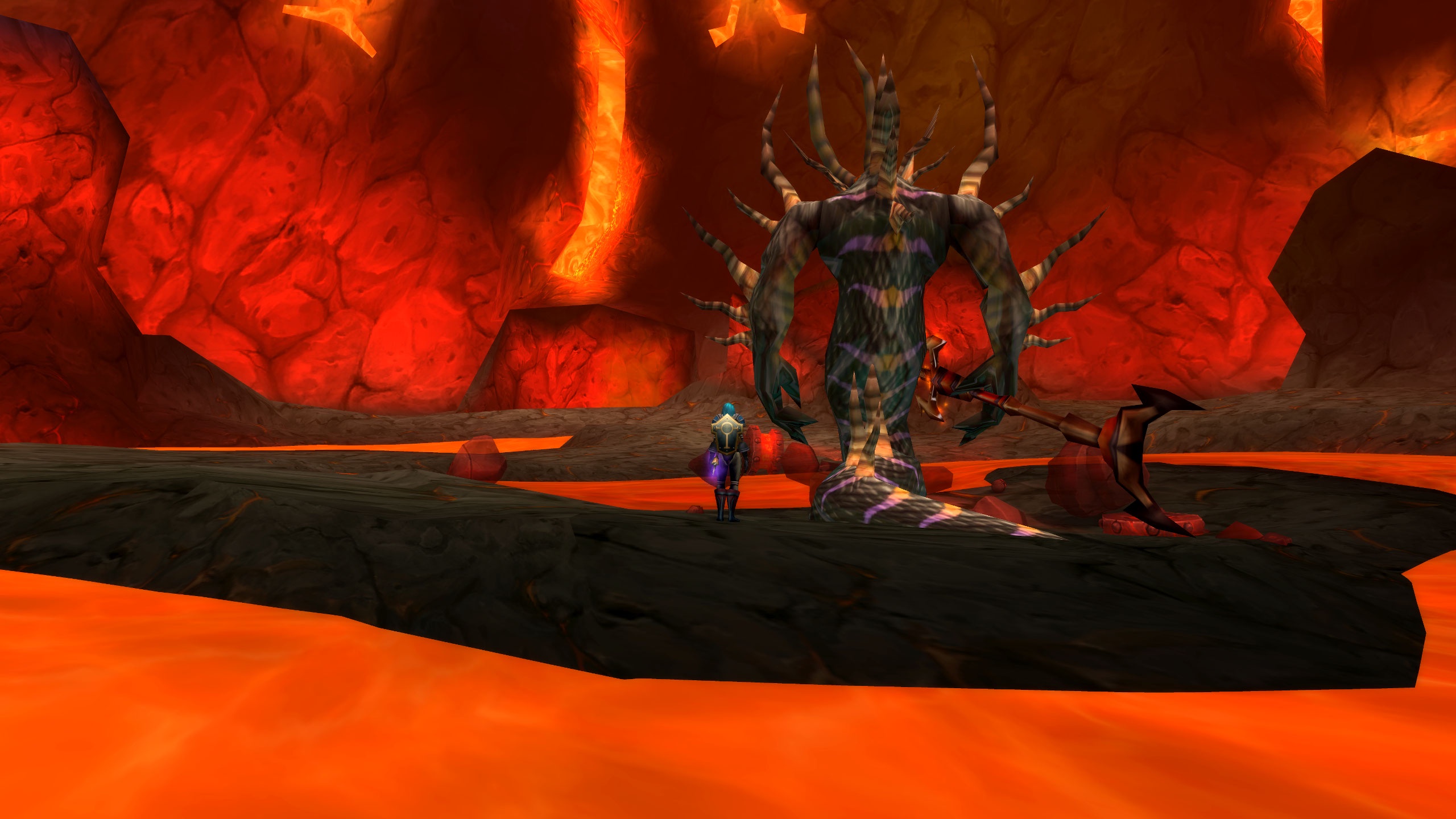
To excel in WoW raids, you’ve gotta gear up and know your boss mechanics inside out. Connect with raid leaders for strategies and fully engage in raid chat. Understand your guild’s loot rules thoroughly. Communicate clearly during raids, offer constructive feedback, and ensure you’re on the same page. Be fair with loot, prioritizing team needs, and handle disputes calmly. Own your mistakes—avoid shifting blame. After the raid, reflect, thank your team, and discuss improvements. Handling loot and mistakes with transparency and respect keeps the team strong. Mastering these aspects sets the foundation for countless successful raids ahead.
Key Takeaways
- Gear up and study boss mechanics to be well-prepared for the raid.
- Communicate clearly and listen to the raid leader for smooth coordination.
- Use a fair system, like loot council or DKP, for loot distribution.
- Admit mistakes and focus on team improvement without assigning blame.
- Follow post-raid etiquette by thanking teammates and discussing performance feedback.
Preparing for the Raid
Prior to jumping into a raid, it’s vital to gear up properly and study the boss mechanics to ensure you’re not caught off guard. You need to reach out to your raid leaders early on to grasp the raid composition and boss strategies. They’re the ones who’ve spent hours analyzing tactics and can give you the lowdown on what to expect. Immerse yourself in raid chat, too; it’s not just for casual conversation. Here, you’ll find discussions on strategies and adjustments tailored to your team’s needs.
Don’t forget to check the loot rules outlined by your guild. Understanding whether it’s a free-for-all or if there are specific loot assignments can save you a lot of drama down the road. And when it comes to gear, make a quick visit to the guild bank. It’s filled with items to assist you, whether it’s potions, flasks, or gear enhancements. Each of these steps is crucial in preparing for a raid. Skipping one could mean the difference between a triumphant victory and a frustrating wipe. So, gear up, study up, and communicate. Your raid team’s success depends on it.
Communication During the Raid
Effective communication is crucial during a raid, as it can make or break your team’s success. A guideline for successful raids is to maintain communication clear, concise, and relevant to the ultimate goal. This means coordinating tactics, announcing critical updates, and providing constructive feedback in real-time.
To help you navigate the complexities of raid communication, here’s a table summarizing key points:
| Do | Don’t | Why? |
|---|---|---|
| Use clear, concise language | Ramble or go off-topic | Keeps the team focused on the raid tier |
| Announce critical updates | Overwhelm comms with minor info | Ensures important info is not missed |
| Provide constructive feedback | Criticize without offering solutions | Builds a positive team environment |
| Listen to the raid leader | Talk over others | Facilitates effective strategy execution |
| Confirm understanding | Assume everyone is on the same page | Prevents mistakes and confusion |
Handling Loot Fairly
Managing the delicate balance of loot distribution is essential in maintaining a harmonious raid team. You’ve got to guarantee that everyone feels the distribution is fair and transparent. One way to do this is by utilizing a loot council or a DKP (Dragon Kill Points) system. These methods help in making decisions on who gets what based on contribution, attendance, and need.
It’s also important to be upfront about the loot rules before the raid starts. This prevents any misunderstandings or hard feelings when the loot is distributed. Make sure you’re clear about how decisions are made, whether it’s a roll-off for items or if certain pieces are reserved for specific roles or players.
Don’t forget to take into account the needs of the raid team above individual desires. Sometimes, it’s better for the raid if a particular item goes to a player who can make the most use of it, boosting the overall performance of the team.
Lastly, always handle loot disputes calmly and fairly. If someone disagrees with a loot decision, take the time to explain the reasoning behind it. Transparency and communication are key in keeping everyone on the same page and maintaining a positive atmosphere within the team.
Dealing With Mistakes
While ensuring fair loot distribution is essential, it’s also important to know how to address mistakes when they inevitably occur during raids.
First and foremost, it’s crucial to maintain a positive attitude. Everyone makes mistakes, and it’s how you deal with them that sets the tone for the entire raid. If you’re the one at fault, own up to it quickly and without making excuses. A simple “My bad, I’ll fix it next time” goes a long way in maintaining team morale.
On the flip side, if someone else messes up, avoid finger-pointing or public shaming. Instead, offer constructive criticism if you’re in a position to do so, and do it privately if possible. Remember, the goal is to improve as a team, not to single out individuals.
It’s also important to learn from these mistakes. As a team, take a moment post-encounter to discuss what went wrong and how to avoid similar issues in the future. This can be a quick rundown of the error and the solution.
Post-Raid Etiquette
After a raid, it’s important you take the time to cool down and reflect on the team’s performance, both the good and the areas needing improvement. It’s a vital step in maintaining a positive environment and making certain everyone feels valued for their contribution, no matter how big or small. Start by thanking your teammates for their effort and time. A simple ‘good job, team’ goes a long way in boosting morale.
Next, if you’re in a position of leadership, organize a brief post-raid discussion. This is the time to address what went well and what didn’t, but remember, it’s not an opportunity to single out or berate anyone. Instead, focus on constructive feedback and strategies for improvement. Encourage everyone to share their thoughts and suggestions in a respectful manner.
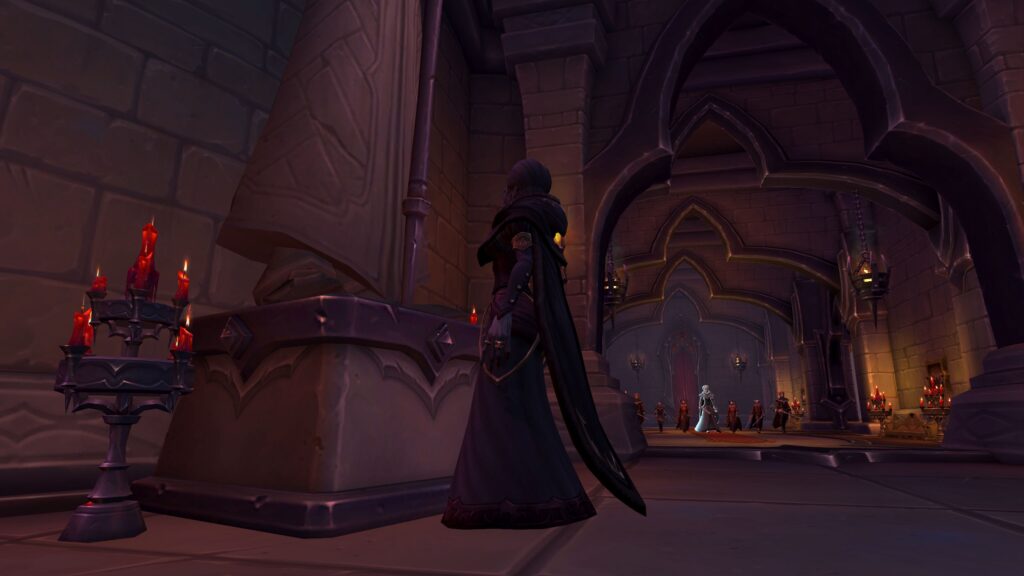
Don’t forget to discuss loot distribution if that hasn’t been settled during the raid. Ensure the process is transparent and fair, adhering to whatever system your team has agreed upon, whether it be need before greed, a loot council, or any other method.
Lastly, if plans for the next raid or practice session haven’t been made, now’s the time to set them. Confirm the date, time, and objectives to keep everyone on the same page. This forward planning helps maintain momentum and keeps the team focused on their goals.
Frequently Asked Questions
How Should a Player Address Personal Time Constraints or the Need to Leave a Raid Early Without Disrupting the Team’s Progress?
If you’ve got to leave a raid early, it’s best to let your team know ahead of time. Communicate your time constraints clearly and early on, so they can plan accordingly without any surprises.
What Is the Protocol for Suggesting a Strategy Change When the Current Plan Is Consistently Failing, Without Overstepping Boundaries or Undermining the Raid Leader?
When you’re suggesting a strategy change, it’s key to be respectful and constructive. Offer your ideas during breaks or in private chats, showing you’re supportive, not critical, of the raid leader’s efforts.
How Can a Player Effectively Contribute to the Raid if They’re Less Experienced or Undergeared Compared to the Rest of the Team?
If you’re feeling behind in gear or experience, focus on learning the mechanics, follow directions closely, and contribute by using any utility skills to support your team. Always be open to feedback and improvement.
What Are the Best Practices for Dealing With Interpersonal Conflicts That Arise During a Raid, Especially When They Are Affecting Team Morale and Performance?
If someone’s criticism during a raid gets too harsh, it’s best to address it privately afterwards. You’ll avoid public confrontation, keeping the team focused and morale high. It’s about respect and team dynamics.
In What Ways Can a Raid Member Support the Raid Leader or Organizers Outside the Direct Raid Activities to Ensure Smoother Operations for Future Raids?
You can support your raid leader by offering to help plan strategies, gather resources, or coordinate schedules. Helping with these tasks can greatly smooth out operations for future raids, making everyone’s experience better.
Conclusion
Embracing these raiding etiquettes in WoW not only makes you a formidable ally but also enhances the group’s success. Surprisingly, a statistic revealed that groups adhering to clear communication and etiquette standards are 30% more likely to conquer raids on their first attempt. So, prepare diligently, communicate effectively, handle loot fairly, learn from mistakes, and uphold post-raid manners. Your journey towards becoming an esteemed member of any raid party is not just about the battles won, but the respect earned. Keep these guidelines at the forefront, and you’ll surely thrive.