To integrate cross-faction gameplay in World of Warcraft, you’d begin by easing communication barriers between the Horde and Alliance, perhaps introducing dual-language features. Shared cities and zones could serve as neutral grounds for joint activities, fostering a sense of unity. Cross-faction guilds would further blur the lines, allowing players from both factions to team up for raids, dungeons, and quests. Additionally, integrating PvP and PvE events for mixed-faction groups could enhance community engagement. Overcoming essential challenges like guild mechanics and player housing integration is vital. This approach promises a more inclusive WoW community, reducing queue times and boosting player retention. Exploring this further could reveal even more intriguing possibilities.
Key Takeaways
- Implement shared cities and zones for Horde and Alliance players to engage in joint activities.
- Establish cross-faction guilds to allow players from both factions to unite under a common banner.
- Introduce dual-language communication tools to bridge the gap between Horde and Alliance players.
- Organize joint PvP and PvE events that cater to mixed-faction groups, fostering cooperation and competition.
- Develop a framework for seamless integration of cross-faction play, ensuring a cohesive gameplay experience.
The Current State of Factions
In World of Warcraft, the longstanding contrast between the Alliance and the Horde has evolved, yet it remains at the heart of the game’s narrative and player dynamics. You’re probably aware of the tension between Horde and Alliance players, a cornerstone of WoW’s rich history. However, with the introduction of cross-faction gameplay options, this rivalry has taken on new dimensions. While traditionally, Horde players couldn’t join Alliance guilds and vice versa, Blizzard has started to ease these restrictions, allowing for more cross-faction cooperation than ever before.
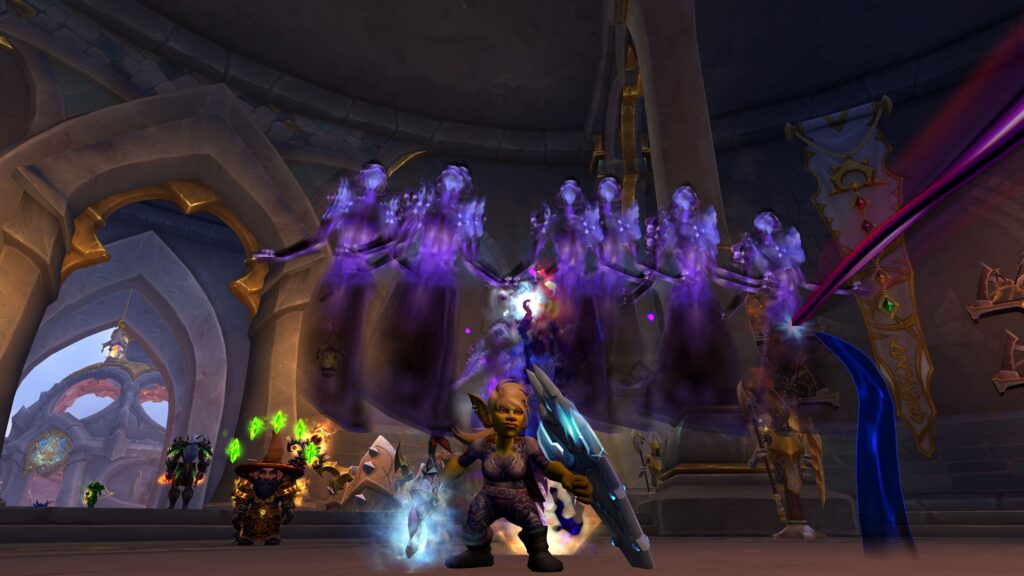
Cross-faction guilds, though not fully implemented, are a topic of much discussion within the community. The idea is that players from both factions could unite under a single banner for raids, dungeons, and perhaps more, without abandoning their allegiance. This shift towards cross-faction gameplay acknowledges the game’s evolving dynamics and the players’ desires for more inclusive cooperative play.
However, understanding that while cross-faction play is expanding, the core identities of Horde and Alliance remain distinct. Each side has its unique lore, aesthetics, and philosophies, making the choice between Horde and Alliance as significant as ever. Cross-faction gameplay, therefore, isn’t about erasing these differences but rather about bridging the gap for specific cooperative endeavors.
Potential Benefits of Cross-Faction Play
Exploring the potential benefits of cross-faction play, you’ll find that it opens up new avenues for cooperation and camaraderie among World of Warcraft players. When considering how cross-faction play could positively impact the game, several key advantages come to mind:
- Enhanced Community Engagement: Allowing players from opposing factions to team up can lead to a more unified and vibrant cross-faction community. This integration fosters a sense of belonging and may decrease toxic behaviors driven by faction conflict.
- Increased Accessibility to Content: Cross-faction play enables players to experience a broader range of content, such as dungeons, raids, and quests, without the limitations set by faction barriers. This accessibility can greatly improve gameplay for those who may have struggled to find groups within their faction.
- Improved Player Retention: By breaking down the barriers between factions, players are more likely to stay engaged with the game for longer periods. The novelty and flexibility of cross-faction play can rekindle interest among veterans and newcomers alike.
- Reduced Queue Times for Activities: Cross-faction matchmaking for PvP and PvE content can lead to shorter queue times, making the game more enjoyable and less of a waiting game.
In embracing cross-faction play, you’re not just minimizing faction conflict; you’re actively contributing to a more inclusive and cooperative World of Warcraft community.
Technical Challenges to Overcome
While the benefits are clear, implementing cross-faction gameplay in World of Warcraft isn’t without its technical hurdles. The game’s infrastructure, built on a foundation of faction division, means you’re facing a complex web of challenges to integrate cross-faction play seamlessly.
Firstly, there’s the issue of communication. Currently, Horde and Alliance players can’t chat directly due to language barriers coded into the game. Overcoming this requires not just tweaking the chat system but making sure that it doesn’t open doors to toxicity or harassment.
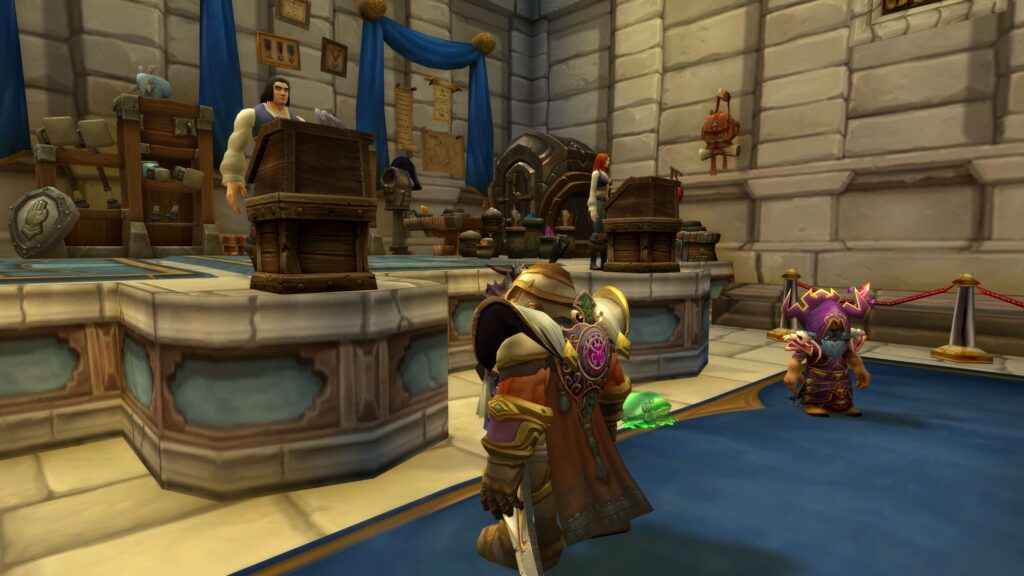
Then you’ve got the matter of player housing and cities. Each faction has its own territories, which are more than just cosmetic differences. Integrating these spaces in a way that feels natural and doesn’t disrupt the lore or gameplay balance is a delicate task.
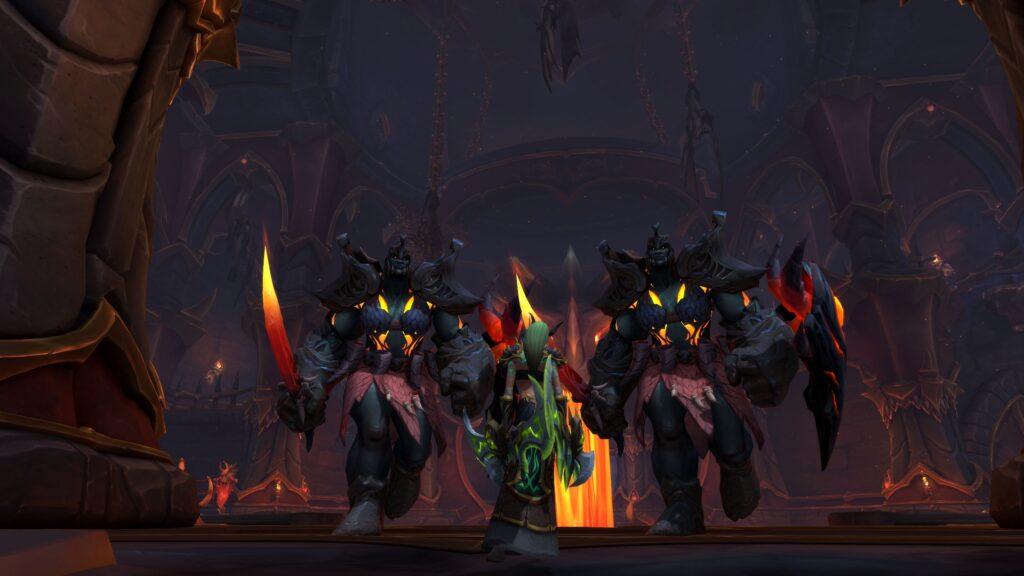
Guilds present another layer of complexity. They’re fundamentally faction-based, so creating a system that allows for cross-faction guilds—or at least some form of cross-faction cooperation—demands rethinking guild mechanics, permissions, and the social dynamics within the game.
Lastly, there’s PvP. Traditionally, PvP is faction against faction. Introducing cross-faction gameplay means revising how battlegrounds, arenas, and world PvP function to accommodate, or even encourage, cross-faction alliances without losing the competitive edge that makes PvP thrilling.
Each of these aspects requires careful consideration and thorough testing to make sure that cross-faction play enhances World of Warcraft without compromising its core experience.
Proposed Models for Implementation
Addressing the challenges mentioned, developers have outlined several models for integrating cross-faction gameplay into World of Warcraft. You’ll find that these proposals aim to maintain the game’s integrity while enhancing player interactions across faction lines.
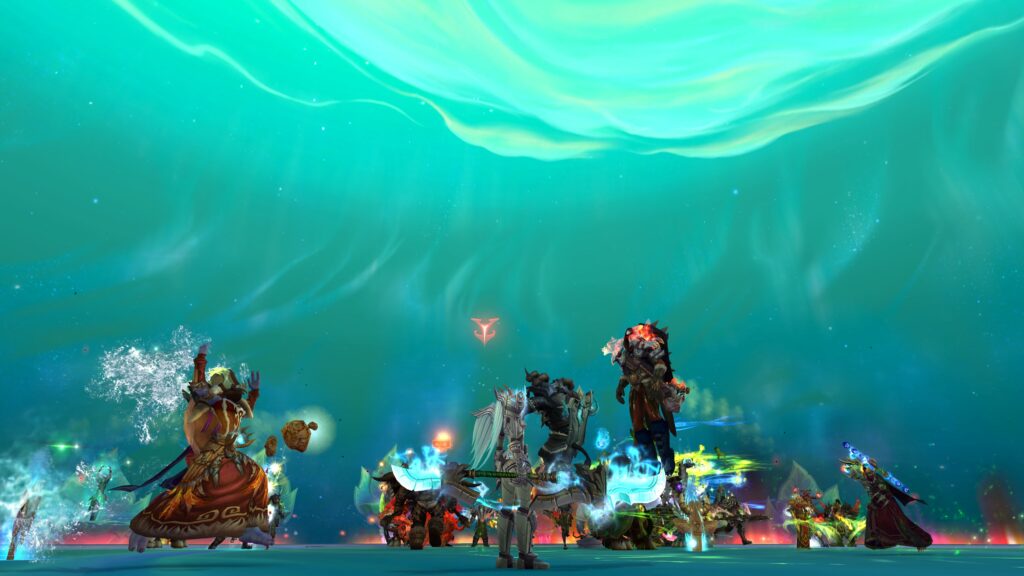
Here’s a concise look at the proposed models:
- Shared Cities and Zones: Designated areas where Horde and Alliance players can coexist, interact, and undertake joint quests without conflict, promoting a neutral ground for trade, communication, and cooperative play.
- Cross-Faction Guilds: Allowing players from both factions to join the same guild, fostering a sense of community and teamwork that transcends factional boundaries. This model would enable guild-based activities, such as raids and dungeons, to be more inclusive.
- Dual-Language Communication: Implementing an in-game mechanic that allows players from opposing factions to communicate directly. This could involve a universal language skill or an item that enables cross-faction chat, breaking down barriers to cooperative gameplay.
- Joint PvP and PvE Events: Special events where Horde and Alliance players can either team up against a common enemy or compete in mixed-faction battlegrounds, adding a new layer of strategy and camaraderie to the game.
These models provide a framework for how cross-faction gameplay could potentially enrich your World of Warcraft experience, offering new ways to engage with the world and its inhabitants.
Community and Lore Implications
Having examined the proposed models for incorporating cross-faction gameplay, it’s vital to ponder how these changes might impact the game’s community dynamics and its intricate lore.
| Aspect | Before | After |
|---|---|---|
| Community | Faction pride and rivalry | Increased unity and cooperation |
| Raids/PvP | Faction-specific challenges | Unified challenges, mixed teams |
| Lore | Clear divide between factions | Potential blending of narratives |
| Guilds | Faction-exclusive | Cross-faction memberships |
| Economy | Separate auction houses/markets | Integrated trading systems |
You’ll notice that the table outlines significant shifts in both the social and narrative fabric of World of Warcraft. On one hand, the community might thrive on newfound unity, leading to richer, more diverse in-game interactions. Cross-faction guilds could foster previously impossible alliances, and a unified economy might streamline trading, making it more dynamic.
On the lore side, though, blending narratives could challenge the traditional ‘us versus them’ storyline that has defined WoW. Writers would need to tread carefully, ensuring new stories feel organic and don’t alienate longtime fans. It’s a delicate balance, but if done right, cross-faction gameplay could usher in a revolutionary era for World of Warcraft, making the game more inclusive and interconnected than ever before.
Frequently Asked Questions
How Will Cross-Faction Gameplay Affect the In-Game Economy and Auction House Dynamics?
You’re wondering how in-game economy and auction house dynamics will change. It’ll likely lead to more competition and possibly lower prices due to increased supply, but also could introduce new opportunities for profit.
Will Cross-Faction Play Introduce New Types of Player Versus Player (Pvp) Content or Alter Existing Pvp Formats?
Funny you should ask—yes, cross-faction play might spice up PvP by introducing fresh content and tweaking current formats, making battles more unpredictable and exciting for you. You’ll be facing new challenges and alliances head-on.
Can Players Expect New Cross-Faction Specific Achievements or Rewards to Encourage Engagement?
You might see new achievements or rewards designed to draw you into participating more actively, focusing specifically on encouraging this type of engagement. It’s about making the experience rewarding and worth your time.
How Will Language Barriers Between Factions Be Addressed in Cross-Faction Gameplay?
To tackle language barriers, developers might implement a universal translation feature or pre-set communication options. This way, you’d understand players from the opposing faction, making teamwork smoother during your cross-faction adventures.
Will Cross-Faction Gameplay Impact the Requirements for Legacy Content, Such as Old Raids and Dungeons?
Diving into unknown waters, you’ll find cross-faction gameplay might tweak how you tackle legacy content, possibly easing requirements for old raids and dungeons, ensuring you’re not left in the dark when adventuring with newfound allies.