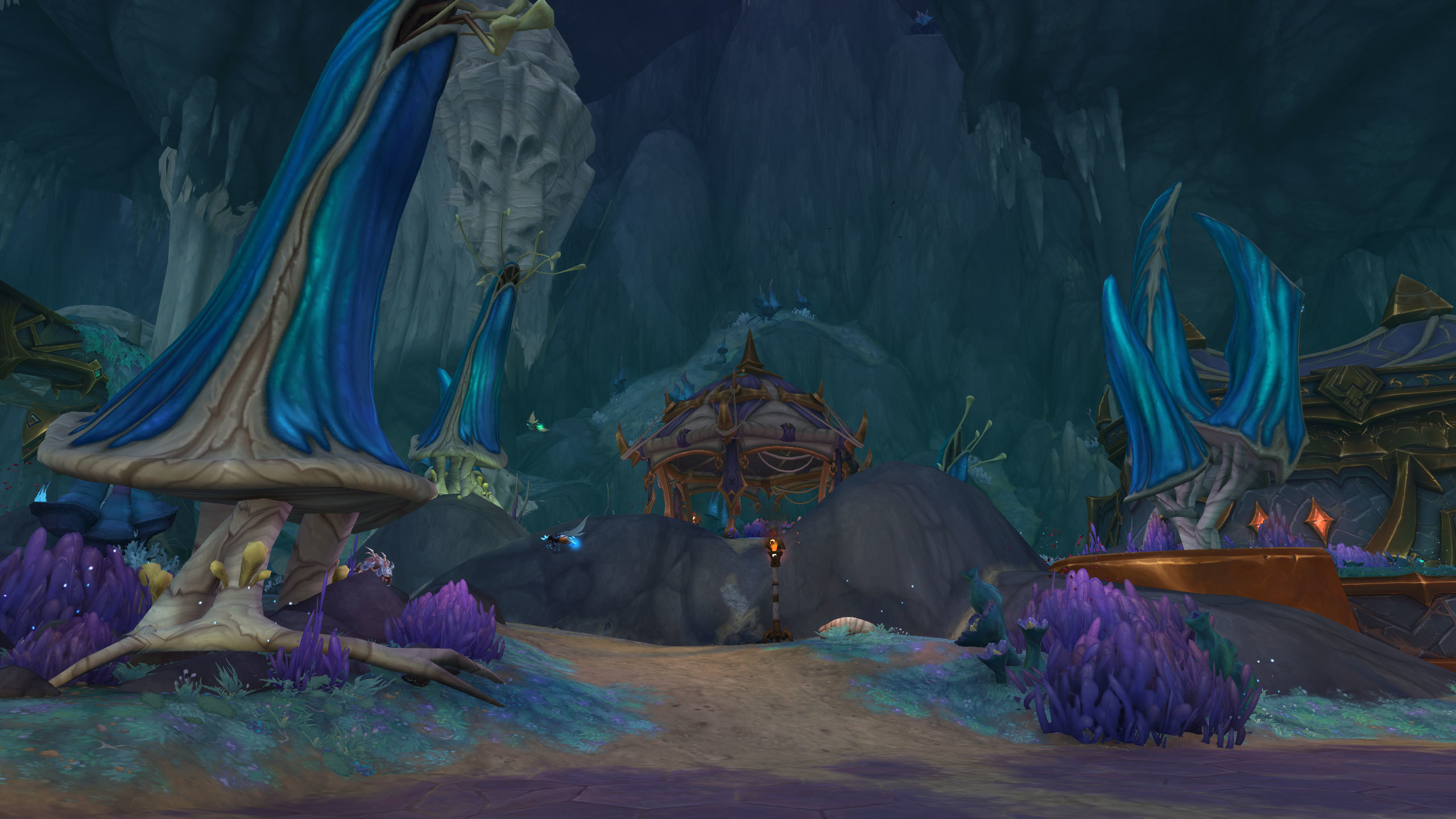
Creatures have always played a central role in shaping the world’s identity. From desert scarabs skittering across ancient ruins to colossal serpents coiling through forgotten jungles, creature design brings depth and personality to every region. These beings are not just enemies or ambient wildlife — they are cultural symbols, ecological anchors, and narrative messengers. Through their presence, players understand the tone, history, and emotional landscape of each zone long before reading a single quest.
This article explores how creature design supports worldbuilding, how animals reflect regional culture, and why their presence gives the world its heartbeat.
Creatures as Environmental Storytellers
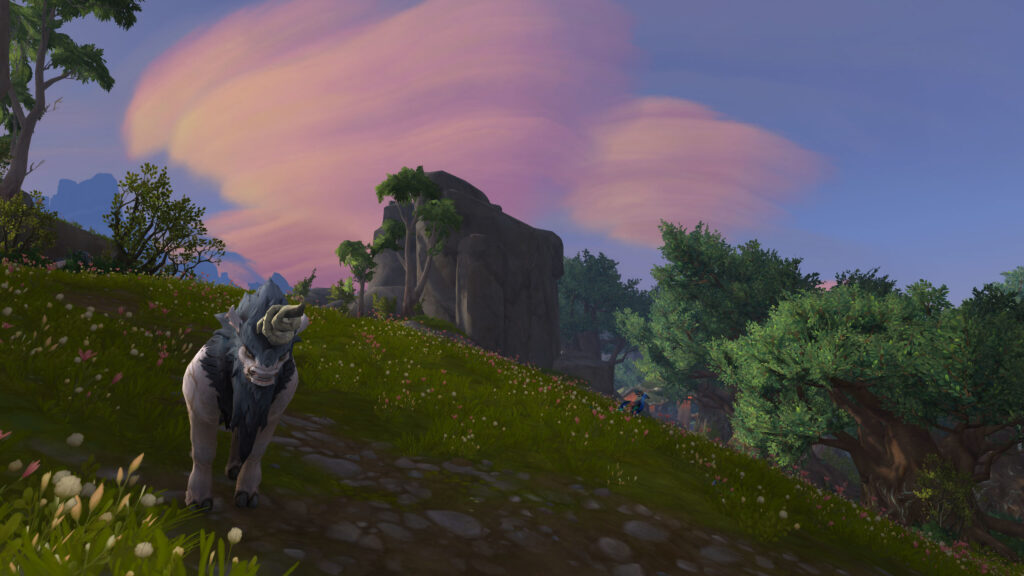
Every creature helps define its environment. Scarabs indicate ancient deserts and forgotten tombs; wolves evoke wild forests shaped by primal instincts; serpents reflect danger and mystery within jungle canopies. These choices communicate tone instantly, guiding players’ expectations and shaping immersion long before narrative exposition begins. Creature placement becomes an unspoken language that reveals ecology and atmosphere with simple visual cues.
Animals teach players what kind of world they are entering.
Cultural Identity Shaped Through Fauna
Civilizations build stories, rituals, and symbolism around the creatures that surround them. The tol’vir worship sacred scarabs, the pandaren respect serpents as guardians of harmony, and the kaldorei maintain deep spiritual bonds with owls, cats, and forest guardians. These cultural relationships shape architecture, beliefs, and historical memory. Through fauna, players understand how different races interpret nature and connect to their environment.
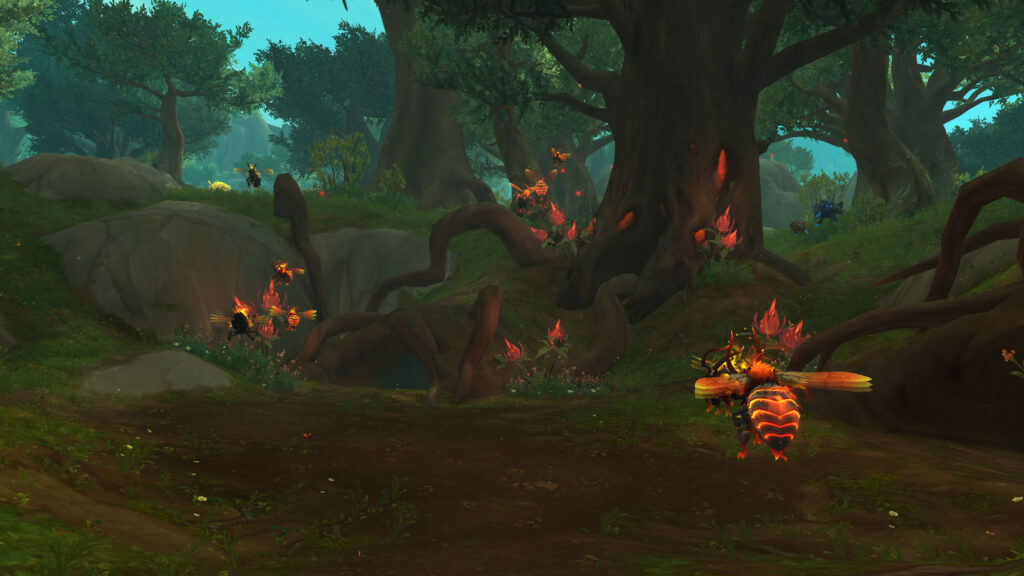
To illustrate cultural symbolism through creatures, here is a simple overview:
- Scarabs: Symbols of rebirth, endurance, and ancient ritual
- Serpents: Emblems of wisdom, danger, or hidden magic
- Wolves: Icons of loyalty, instinct, and untamed wilderness
- Owls: Represent knowledge, guardianship, and moonlit guidance
- Elemental creatures: Embodiments of the world’s primal forces
The Emotional Language of Creature Design
Creature design builds emotional tone through posture, movement, sound, and detail. Slow, lumbering giants evoke awe and caution, while skittering insects create tension or curiosity. Serpents slithering through tall grass generate mystery and unease. These emotional cues influence player perception, ensuring that creature encounters feel meaningful even without explicit lore. The world speaks through creature body language and behavior.
Emotion flows through creatures as much as landscapes.
Creature Ecosystems and World Cohesion
The placement of creatures creates believable ecosystems. Predators stalk prey, territorial animals guard sacred spaces, and magical beings protect arcane zones. These interactions make the world feel organic rather than artificially populated. Players subconsciously recognize patterns — a ruined temple surrounded by serpents suggests arcane secrets; a desert full of scarabs signals long-buried kingdoms.
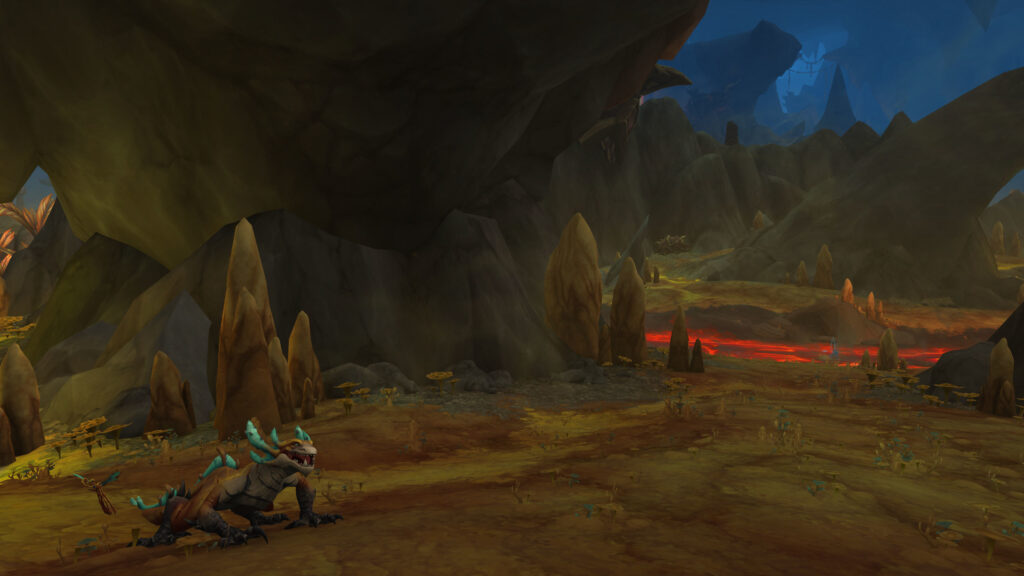
Ecology becomes narrative design.
Why Creature Design Defines World Identity
Creatures give zones character, culture, and emotional resonance. Their presence enriches exploration, deepens storytelling, and anchors players in the world’s ecology. From small critters to colossal beasts, every creature contributes to the sense of a living, breathing planet shaped by millennia of history and natural evolution.
Through creatures, the world tells its own story.
Conclusion
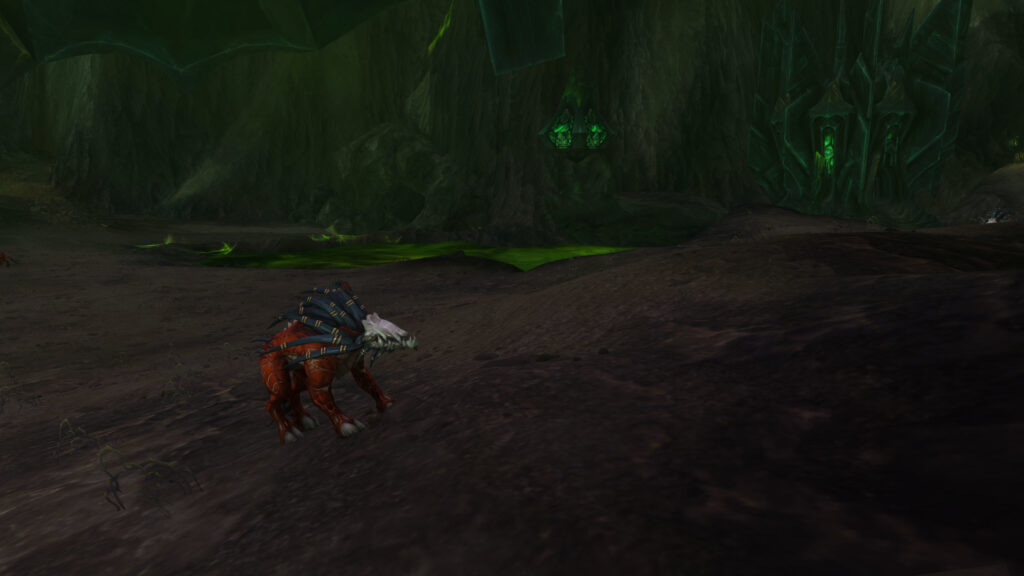
From scarabs to serpents, creature design plays a vital role in shaping worldbuilding. Each creature reflects regional history, cultural values, and emotional tone, transforming landscapes into immersive experiences. These designs enrich every expansion by grounding players in a world where fauna is as meaningful as lore itself.