Class fantasy has always been one of the pillars of WoW’s identity. Over the years, as new systems emerged and older ones faded, the connection between a class’s theme and how it played sometimes became diluted. Rotations turned mechanical, talents leaned numerical, and some specs felt more like mathematical puzzles than heroic archetypes. But recent talent reworks—particularly those introduced in Dragonflight and refined in The War Within—have reignited the spark that many players felt during their first entry into Azeroth.
This article explores how Blizzard restored class fantasy through thoughtful design, why modern talent trees feel more thematic than ever, and how these changes revitalized the emotional identity of every class.
The Shift Back to Identity-Driven Design
For many years, talents drifted toward pure throughput: a buff here, a flat stat gain there, a small cooldown reduction. While these were functional, they were rarely evocative. They didn’t capture the spirit of a frost mage weaving frozen storms or a warrior unleashing unstoppable rage. The new talent tree approach flips that script. Instead of raw numbers, talents emphasize story-driven mechanics, iconic abilities, and fantasy-first decision making.
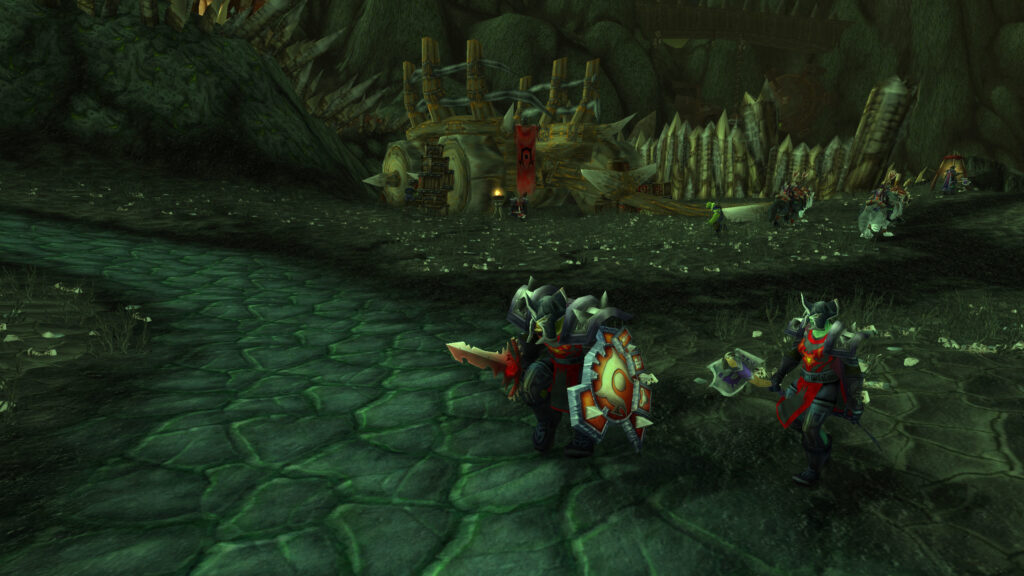
Players once again choose talents that feel like personal expressions of who their characters are meant to be.
Returning Iconic Abilities to Their Classes
One of the most impactful changes in the rework era was the return of iconic abilities that had been trimmed, removed, or merged during earlier pruning phases. Blizzard recognized that players missed signature spells that defined their spec’s personality: auras, curses, totems, banners, poisons, and resource shapers. Bringing these abilities back—sometimes even in more flavorful forms—restored emotional texture to gameplay.
The game became less about efficiency and more about feeling like the role you chose to play.
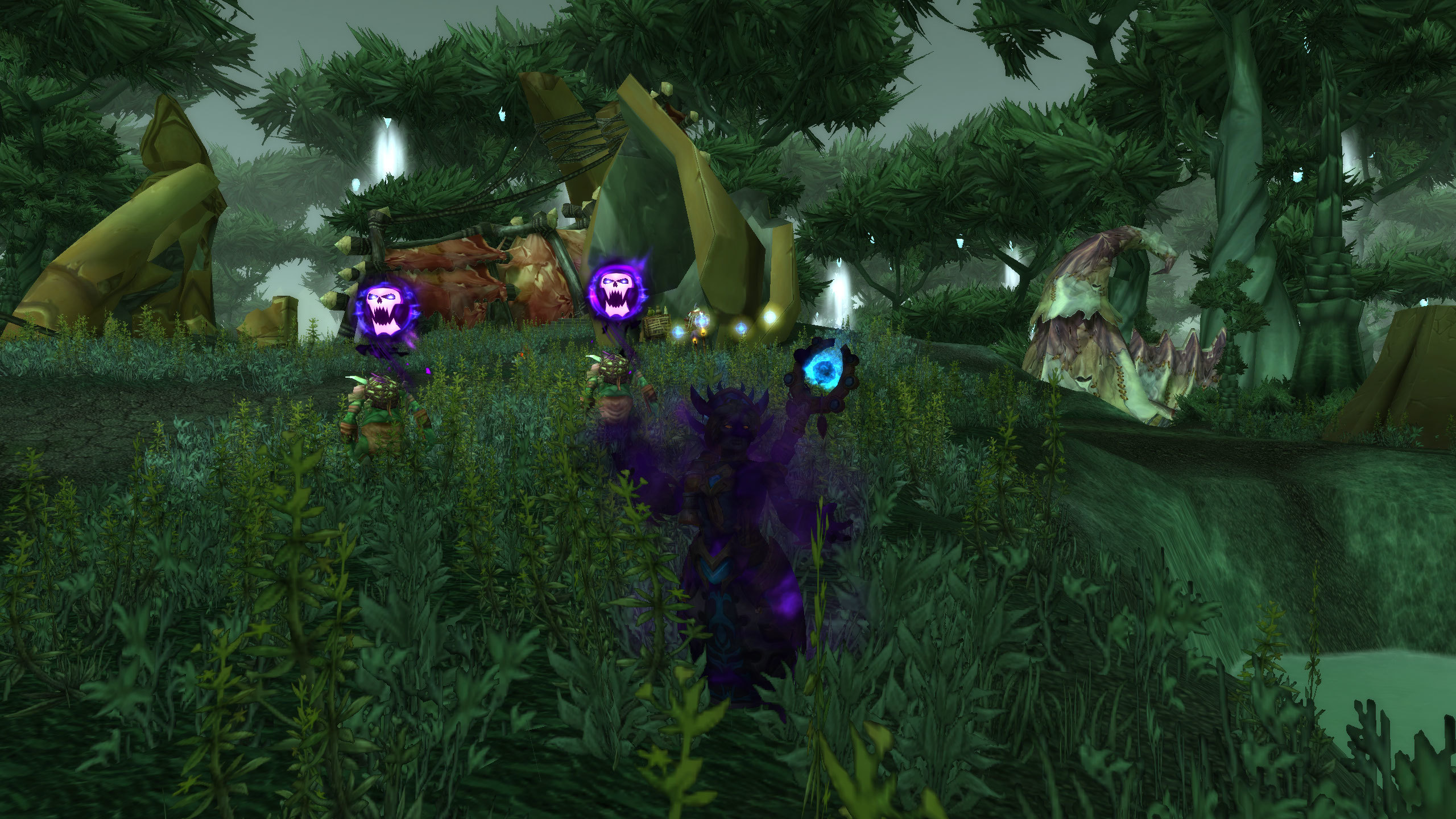
- Shadow Priests regained old-school void themes with deeper insanity synergies.
- Warlocks saw the return of classic curses and spec-specific demonic utilities.
- Shamans embraced a fuller totem kit that strengthened elemental identity.
- Rogues regained poison specialization depth and spec-defining utility.
- Warriors reconnected with rage-driven talent paths reflecting old schools of combat.
Each restoration strengthened class identity without sacrificing mechanical clarity.
Hero Talents: The Peak of Class Fantasy Expression
The introduction of Hero Talents further expanded thematic depth. These trees blend class and spec themes into hybridized fantasies that feel both nostalgic and brand new. They serve as identity amplifiers—capturing the essence of what players love about their characters while offering new mechanical twists.
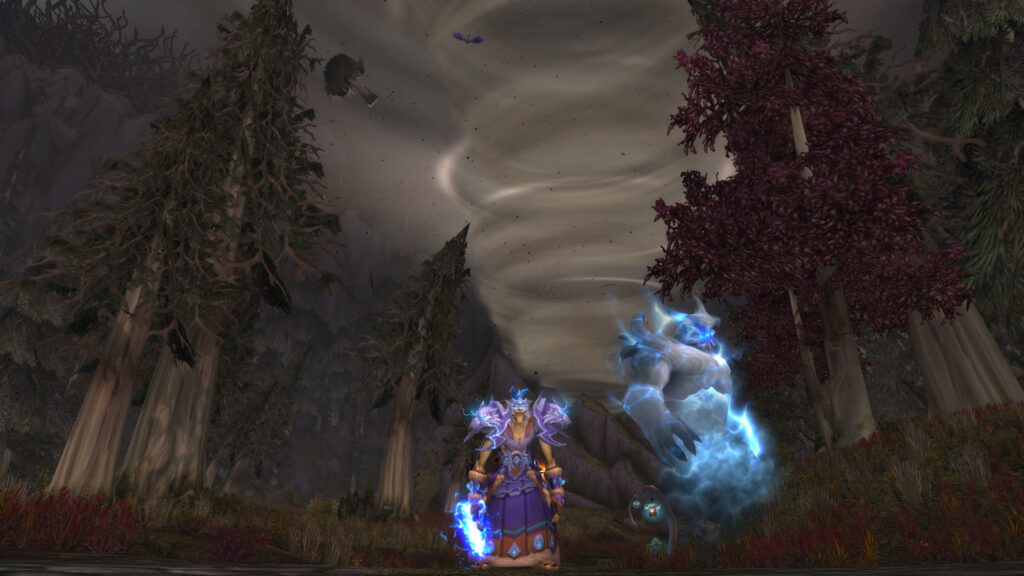
Hero Talents weren’t just a power system; they were storytelling tools.
The Power of Visual and Audio Reinforcement
Modern talent reworks aren’t limited to numbers or tooltips. Many abilities gained updated animations, sound effects, or clarity improvements. These audiovisual changes help reinforce fantasy: frost abilities crackle with sharper ice, holy spells radiate stronger light, and demon-themed abilities pulse with fel energy. The enhancements make talent choices feel impactful, almost celebratory, as if every pick unlocks something meaningful.
This multisensory reinforcement connects mechanics and emotion in ways players immediately notice.
Giving Players Control Over Their Fantasy Path
The talent tree structure empowers players to sculpt their identity. Some choose utility-heavy paths that emphasize leadership or support. Others dive deep into thematic subtrees that capture niche fantasies—like a rogue leaning into shadow deception or a warrior specializing in frenzied aggression. This level of freedom makes classes feel personal again.
Players no longer follow one predetermined path—they carve out their own version of the fantasy.
Spec Differentiation Is Stronger Than Ever
In earlier expansions, some specs blurred together because many abilities were shared, simplified, or numerically homogenized. Recent reworks restored the distinctiveness that made specs feel like fully realized identities. Each spec gained clearer mechanical goals and more flavorful spell interactions, enhancing both gameplay and fantasy.
This makes choosing a spec feel like choosing a story.
Old Concepts Reforged Into Modern Frameworks
While Blizzard brought back many beloved concepts, they didn’t simply replicate old systems. Instead, they reimagined them for modern pacing and clarity. The result is a blend of nostalgia and innovation: familiar enough to feel comforting, yet new enough to remain engaging. This hybrid approach breathed life into outdated mechanics without overwhelming players with complexity.
The reworks build bridges between past and present.
The Emotional Reaction From the Playerbase
Players responded overwhelmingly positively to the return of class fantasy emphasis. Discussions on forums, streams, and communities consistently highlight renewed excitement. Many veterans describe “feeling like their class again” for the first time in years. New players find the thematic clarity more welcoming, and returning players rediscover identities they once thought were gone.
These emotional reactions prove that class fantasy remains one of WoW’s strongest pillars.
Class Fantasy as a Driver of Long-Term Engagement
Players who feel deeply connected to their class tend to stay longer, play more consistently, and invest more in their characters. By reinforcing fantasy, Blizzard strengthened player loyalty. The reworks accomplished something numbers alone cannot achieve—they made players care about their characters in a personal, imaginative way. This emotional investment is essential for an MMO that spans decades.
Class fantasy is not just flavor; it is long-term retention fuel.
Conclusion
The return of class fantasy through recent talent reworks marks one of the most important design shifts in modern WoW. By restoring iconic abilities, enhancing thematic depth, refining spec identity, and introducing Hero Talents that celebrate class heritage, Blizzard reconnected players to the heart of their characters. These reworks proved that gameplay systems feel richer and more meaningful when they align with fantasy.
Class fantasy didn’t just return—it came back stronger than ever.